





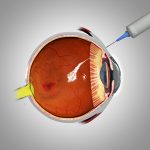



Introduction: Understanding Age-related Macular Degeneration (AMD)
Age-related macular degeneration (AMD) is a common eye condition that affects the macula, the part of the retina responsible for central vision. It primarily impacts people over 50 and is a leading cause of vision loss in older adults.
Types of AMD:
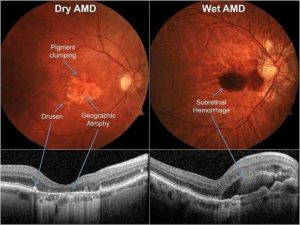
Dry AMD: The more common form, characterized by the thinning of the macula and the presence of drusen (tiny yellow deposits).
Wet AMD: Less common but more severe, involving abnormal blood vessel growth under the retina that can leak fluid or blood.
Causes of AMD:
Age: Can happen to any age
Genetics: Family history can increase risk
Smoking: Significantly raises the likelihood of developing AMD.
High Blood Pressure: Can damage blood vessels in the retina.
Obesity: Associated with a higher risk of AMD progression.
Symptoms of AMD:
Diagnosis of AMD:
Comprehensive Eye Exam: Includes a visual acuity test and dilated eye exam.
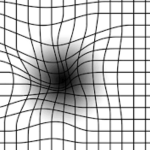
Amsler Grid Test: Detects changes in central vision.
Optical Coherence Tomography (OCT): Provides detailed images of the retina.
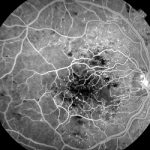
Fluorescein Angiography: Highlights abnormal blood vessels in wet AMD.
Treatment:
Dry AMD: Currently, no cure, but certain vitamins and minerals can slow down the progression.
Wet AMD: Anti-VEGF injections to reduce abnormal blood vessel growth, laser therapy, and photodynamic therapy
Preventive Measures:
Regular Eye Exams: Early detection is key.
Healthy Diet: Rich in green leafy vegetables, fish, and nuts.
Quit Smoking: Significantly reduces risk.
Manage Health Conditions: Control blood pressure and cholesterol.
Conclusion:
Age-related macular degeneration is a significant cause of vision loss in older adults, but with early detection and appropriate treatment, its progression can be slowed. Regular eye exams, a healthy lifestyle, and quitting smoking are crucial preventive measures.

Age-related macular degeneration (ARMD) is an ageing process of the retina and choroid. These 2 layers are involved in light/ image processing. Retina and choroid are separated by a strong…
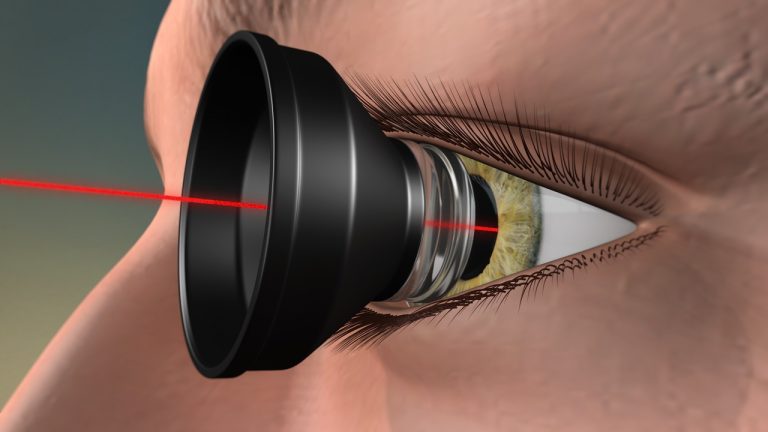
Polypoidal Choroidal Vasculopathy (PCV) is an eye condition where abnormal blood vessels grow under the retina, leading to vision problems. These vessels form small, bubble-like growths called polyps. CAUSES Age: Can…
For Clearer Vision
and quality life together.
Trusted and Leading-edge Advice From The Expert
Sign Up for Our Newsletters
get notified of the best advice for your vision’s health

Level 6, West Wing,
KPJ Ampang Puteri Ampang Puteri Specialist Hospital, Jalan Mamanda 9, Taman Dato Ahmad Razali, 68000 Ampang, Selangor, Malaysia
When you visit or interact with our sites, services, applications, tools or messaging, we or our authorised service providers may use cookies, web beacons, and other similar technologies for storing information to help provide you with a better, faster and safer experience and for advertising purposes.
Copyright © 2022 idoc.com.my. All Rights Reserved. Designed by Bigads Creative