









What is Retinal Artery Occlusion?
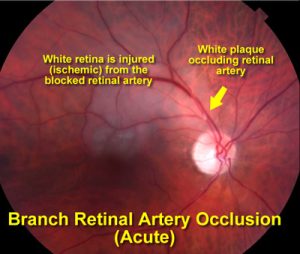
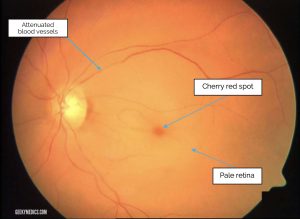
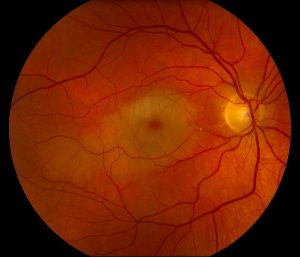
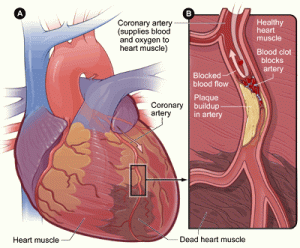
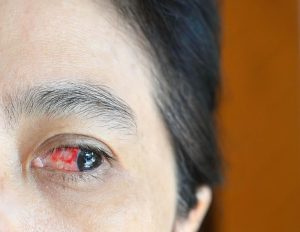
Retinal artery occlusion (RAO) is a serious eye condition where the blood flow to the retina is blocked, leading to sudden vision loss. This is a medical emergency and needs immediate attention.
Types of Retinal Artery Occlusion
1. Central Retinal Artery Occlusion (CRAO):
2. Branch Retinal Artery Occlusion (BRAO):
Causes of Retinal Artery Occlusion
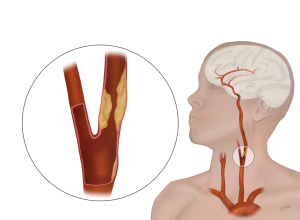
1. Atherosclerosis: Hardening of the arteries.
2. Blood Clots: Can form and block the retinal veins.
3. Carotid artery disease: Blockages in the neck arteries.
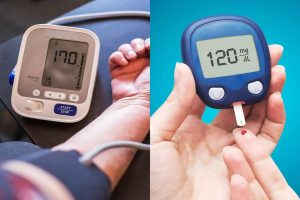
4. Chronic Conditions: High blood pressure, diabetes, and heart disease.
Symptoms of Retinal Artery Occlusion
Sudden Vision Loss: Often in one eye.
Blurred Vision: Partial loss of vision or seeing dark spots.
Temporary episodes of vision loss (like a curtain falling over your eye).
Examination
Eye exam to check for RAO signs.
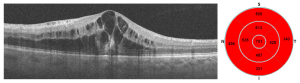
Imaging tests like fluorescein angiography and OCT.
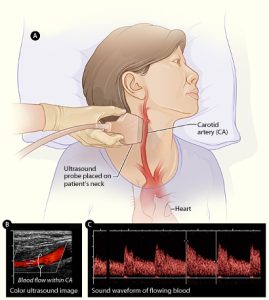
Carotid ultrasound to check neck arteries.
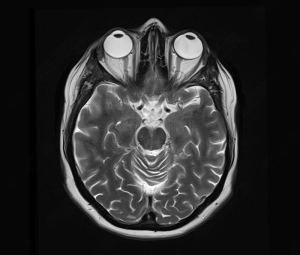
Blood test & MRI to find the root cause of the stroke in the eye
Treatment
Immediate Medical Attention: Time is crucial to restore blood flow.
Medications: To lower eye pressure and dissolve clots.
Hyperbaric Oxygen Therapy: Increases oxygen supply to the retina.
Vitrectomy: Surgery to remove the vitreous gel and clear blockages.
Managing Underlying Conditions: Control high blood pressure, diabetes, and cholesterol.
Preventive Measures
Healthy Lifestyle: Balanced diet, regular exercise, and avoiding smoking.
Regular Eye Exams: Essential for early detection and management of RVO and related conditions.
Managing Chronic Conditions: Keep diabetes, high blood pressure, and cholesterol under control.
Conclusion
RAO is a serious condition that needs quick treatment to prevent permanent vision loss. Regular health check-ups and a healthy lifestyle are key to preventing RAO.

What Are Eye Floaters and Flashes? Source: Innova Ocular Floaters are tiny clumps of gel or cells inside the vitreous, the clear gel-like substance that fills the inside of your…
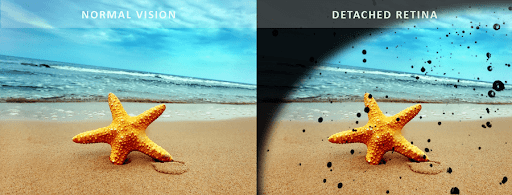
Understanding Retinal Detachment Source: ophthalmology notes and synopses Retinal detachment occurs when the retina, a thin layer of tissue at the back of the eye, separates from its underlying supportive…
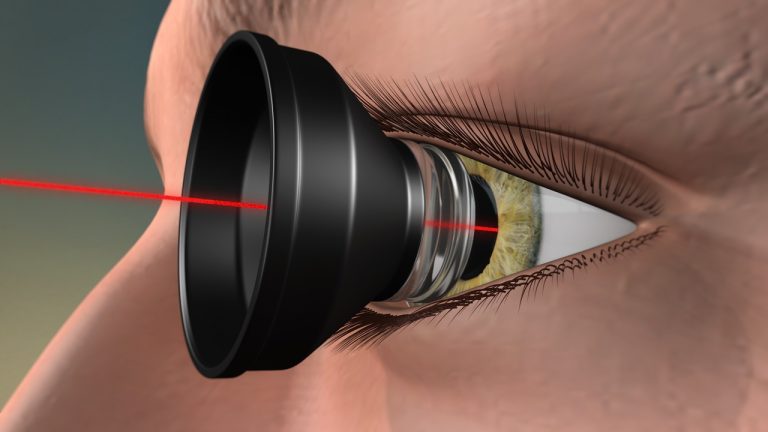
Polypoidal Choroidal Vasculopathy (PCV) is an eye condition where abnormal blood vessels grow under the retina, leading to vision problems. These vessels form small, bubble-like growths called polyps. CAUSES Age: Can…
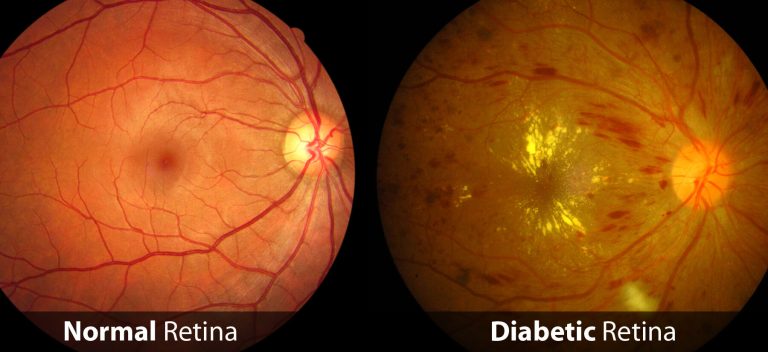
What is Diabetic Retinopathy? Diabetic retinopathy is an eye condition that can affect anyone with diabetes. It occurs when high blood sugar levels damage the blood vessels in the retina,…
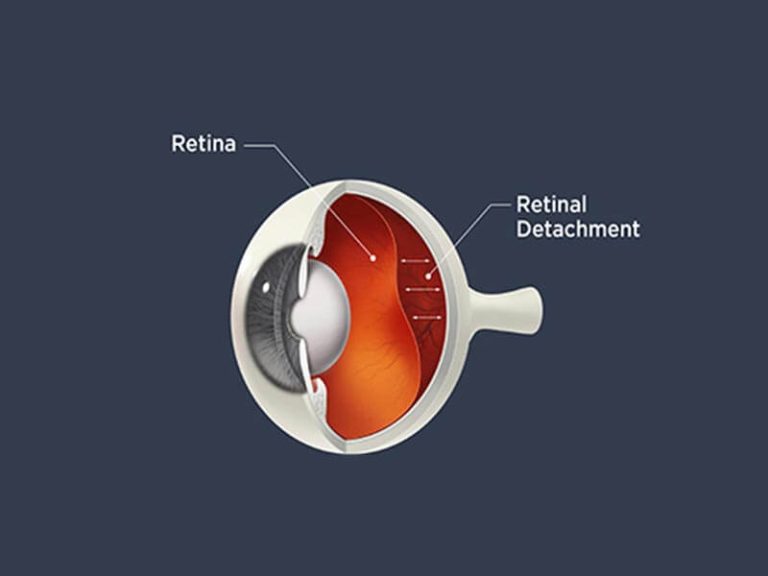
Retinal surgery is often required for serious eye conditions such as retinal detachment, diabetic retinopathy, and macular holes. These conditions can lead to permanent vision loss if not treated promptly….
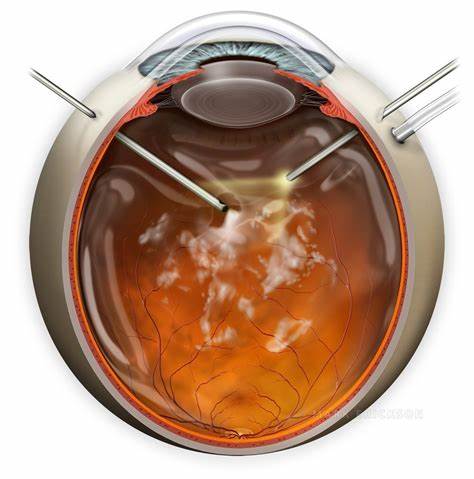
Vitrectomy is a type of eye surgery that involves removing the vitreous gel from the middle of the eye. This procedure is performed to treat various eye conditions that affect…
For Clearer Vision
and quality life together.
Trusted and Leading-edge Advice From The Expert
Sign Up for Our Newsletters
get notified of the best advice for your vision’s health

Level 6, West Wing,
KPJ Ampang Puteri Ampang Puteri Specialist Hospital, Jalan Mamanda 9, Taman Dato Ahmad Razali, 68000 Ampang, Selangor, Malaysia
When you visit or interact with our sites, services, applications, tools or messaging, we or our authorised service providers may use cookies, web beacons, and other similar technologies for storing information to help provide you with a better, faster and safer experience and for advertising purposes.
Copyright © 2022 idoc.com.my. All Rights Reserved. Designed by Bigads Creative