


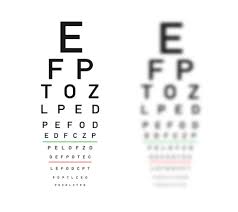



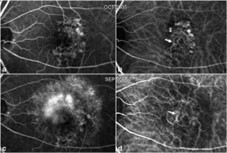

Polypoidal Choroidal Vasculopathy (PCV) is an eye condition where abnormal blood vessels grow under the retina, leading to vision problems. These vessels form small, bubble-like growths called polyps.
Age: Can happen to any age
Genetics: Family history can increase risk
Ethnicity: More common in Asians and African Americans
Health Conditions: Often linked to age-related macular degeneration (AMD).
Blurred Vision: Gradual or sudden changes.
Distorted Vision: Straight lines may look wavy.
Dark Spots: Areas of your vision may be blocked.
Vision Loss: Can be severe if not treated.
PCV can cause significant vision loss, but early detection and treatment can help manage it. Regular eye check-ups and a healthy lifestyle are essential for maintaining good vision.
Source : City Eye Centre
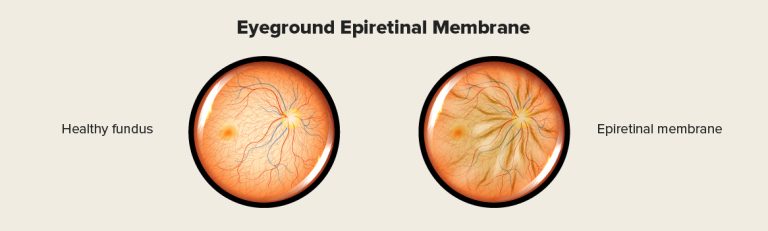
Epiretinal membrane (ERM) might sound like a complicated medical term, but understanding it can help you better manage your eye health. Here’s a detailed yet easy-to-understand guide to help you…

Age-related macular degeneration (ARMD) is an ageing process of the retina and choroid. These 2 layers are involved in light/ image processing. Retina and choroid are separated by a strong…

What Are Eye Floaters and Flashes? Source: Innova Ocular Floaters are tiny clumps of gel or cells inside the vitreous, the clear gel-like substance that fills the inside of your…
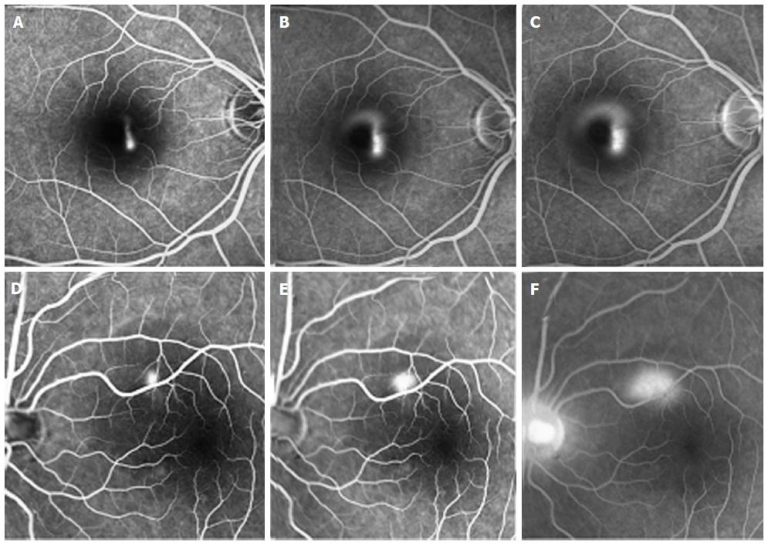
What is Central Serous Retinopathy (CSR)? Source: Jaheed Khan Central serous retinopathy (CSR) occurs when fluid builds up under the retina, causing swelling and vision distortion. This results in blurry…
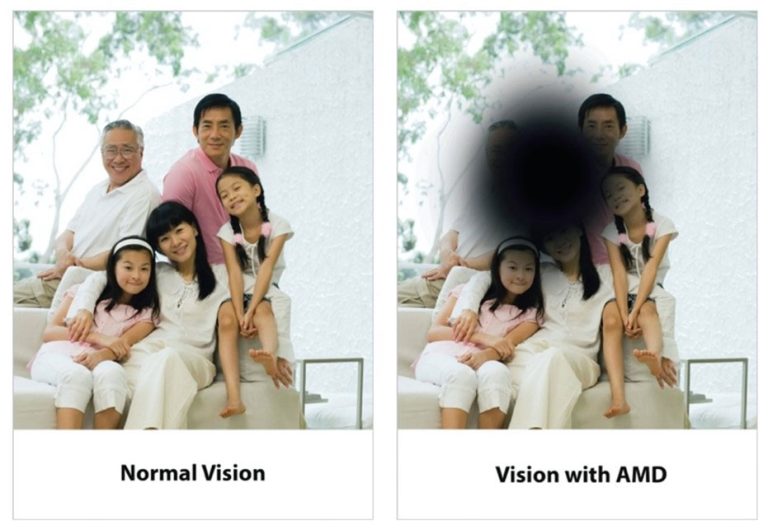
Introduction: Understanding Age-related Macular Degeneration (AMD) Age-related macular degeneration (AMD) is a common eye condition that affects the macula, the part of the retina responsible for central vision. It primarily…
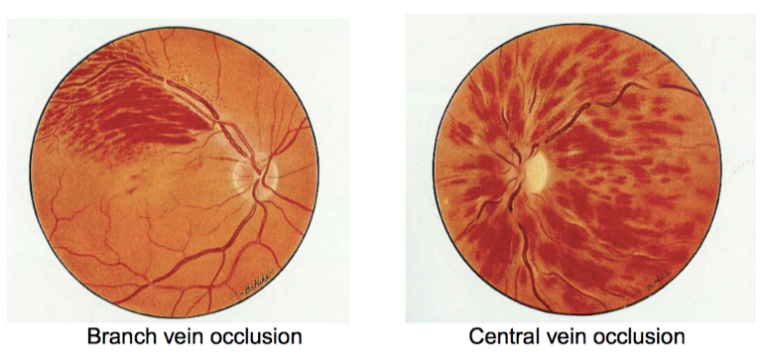
Understanding Retinal Vein Occlusion Retinal vein occlusion (RVO) is a condition where the veins carrying blood away from the retina become blocked. This blockage can lead to vision problems, including sudden…
For Clearer Vision
and quality life together.
Trusted and Leading-edge Advice From The Expert
Sign Up for Our Newsletters
get notified of the best advice for your vision’s health

Level 6, West Wing,
KPJ Ampang Puteri Ampang Puteri Specialist Hospital, Jalan Mamanda 9, Taman Dato Ahmad Razali, 68000 Ampang, Selangor, Malaysia
When you visit or interact with our sites, services, applications, tools or messaging, we or our authorised service providers may use cookies, web beacons, and other similar technologies for storing information to help provide you with a better, faster and safer experience and for advertising purposes.
Copyright © 2022 idoc.com.my. All Rights Reserved. Designed by Bigads Creative